

Introduction
Starting a fitness journey can feel overwhelming, especially if you’ve never exercised regularly before. With thousands of workout videos, conflicting advice, and complicated training programs available online, many beginners struggle to know where to begin. The good news is that you don’t need expensive equipment, advanced techniques, or hours in the gym to become healthier and stronger. A well-designed beginner workout plan provides structure, consistency, and gradual progress, making it easier to build lasting fitness habits.
The key to success isn’t choosing the hardest workout—it’s choosing one you can stick with consistently. A beginner-friendly routine focuses on learning proper exercise techniques, improving mobility, building muscular strength, increasing cardiovascular endurance, and allowing enough recovery time. These foundations prepare your body for more advanced workouts later while reducing the risk of injuries and burnout.
Whether your goal is losing weight, building muscle, increasing energy, improving overall health, or simply becoming more active, following a structured workout plan can help you stay motivated and achieve measurable results. The most effective fitness journey starts with small, manageable steps that gradually become lifelong healthy habits.
What is a Beginner Workout Plan?
A beginner workout plan is a structured fitness program specifically designed for people who have little or no exercise experience. Instead of focusing on intense workouts or advanced movements, it emphasizes learning proper form, improving overall fitness, and gradually increasing physical activity over time.
The goal is to help beginners build strength, endurance, flexibility, and confidence without overwhelming the body. A balanced workout plan combines strength training, cardiovascular exercise, flexibility work, and adequate recovery. It also includes realistic workout durations and manageable weekly schedules that are easier to maintain.
Unlike advanced training programs, beginner routines prioritize consistency over intensity. This gradual approach allows muscles, joints, and the cardiovascular system to adapt safely while reducing the chances of soreness and injury. Over time, beginners develop the physical foundation necessary for more challenging workouts and long-term fitness success.
Why is a Beginner Workout Plan Important?
Beginning with a structured workout plan eliminates guesswork and creates a clear path toward better health. Many people quit exercising because they don’t know what exercises to perform, how often to train, or how hard they should push themselves. A beginner plan solves these problems by providing a simple routine that encourages consistency and steady improvement.
Following an organized workout schedule also helps build healthy habits. Instead of relying on motivation alone, the routine becomes part of your daily lifestyle. As strength and endurance improve, confidence increases, making it easier to stay committed to long-term fitness goals.
A beginner workout plan also reduces the risk of injuries by emphasizing proper technique, gradual progression, and sufficient recovery. It ensures that every major muscle group receives balanced training while preventing overtraining and excessive fatigue. Most importantly, it creates a sustainable approach to fitness that supports lifelong physical and mental well-being.
Detailed Step-by-Step Guide
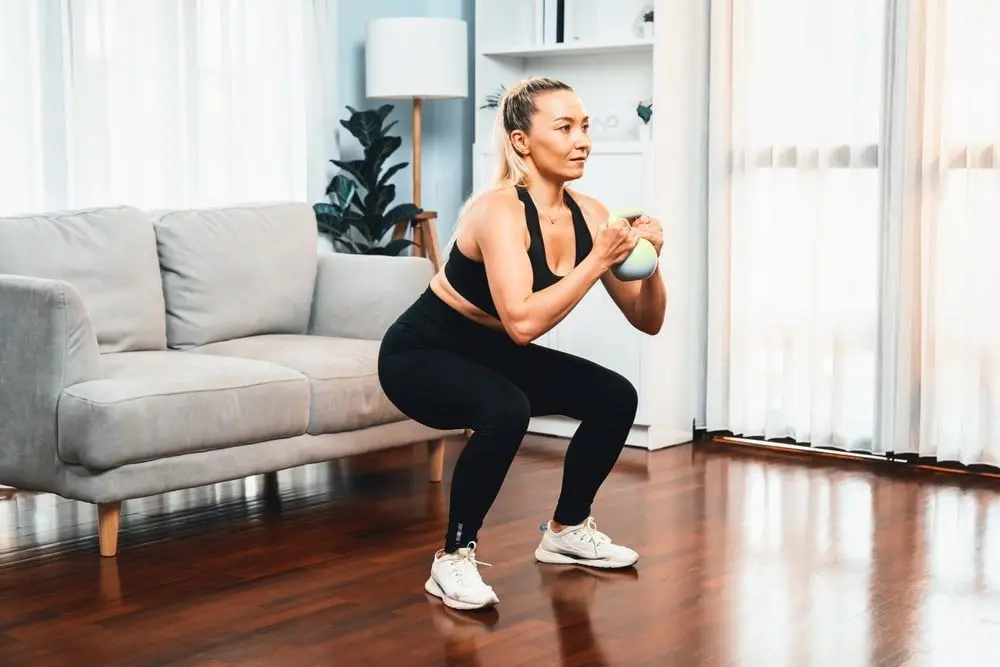
Step 1: Set Realistic Fitness Goals
Start by identifying your primary goal. Whether you want to lose weight, build muscle, improve endurance, or simply become healthier, having a clear objective keeps you motivated.
Examples include:
- Exercise three days each week.
- Lose five kilograms.
- Perform ten push-ups continuously.
- Walk five kilometers comfortably.
Write your goals down and track your progress weekly.
Step 2: Prepare Your Workout Space
Choose a comfortable environment where you can exercise safely. If working out at home, clear enough space to move freely.
Helpful equipment includes:
- Exercise mat
- Water bottle
- Comfortable athletic shoes
- Resistance bands
- Light dumbbells
None of these are mandatory when starting.
Step 3: Warm Up Properly
Never skip your warm-up.
Spend 5–10 minutes performing:
- Marching in place
- Arm circles
- Shoulder rolls
- Hip rotations
- Leg swings
- Light jogging
- Jumping jacks
A proper warm-up increases blood flow and prepares muscles for exercise.
Step 4: Perform Full-Body Strength Training
Train your entire body two to three times weekly.
Recommended exercises:
Lower Body
- Bodyweight squats
- Glute bridges
- Reverse lunges
- Wall sit
Upper Body
- Wall push-ups
- Knee push-ups
- Dumbbell shoulder press
- Dumbbell rows
Core
- Plank
- Bird Dog
- Dead Bug
- Bicycle Crunches
Perform:
- 2–3 sets
- 10–15 repetitions
- 45–60 seconds rest
Step 5: Include Cardio Training
Cardio strengthens your heart while burning calories.
Good beginner choices include:
- Walking
- Cycling
- Swimming
- Dancing
- Elliptical machine
- Light jogging
Aim for:
- 20–30 minutes
- Three times weekly
Step 6: Improve Flexibility
Stretch after every workout.
Hold each stretch for 20–30 seconds.
Focus on:
- Hamstrings
- Quadriceps
- Calves
- Chest
- Back
- Shoulders
- Hip flexors
Step 7: Rest and Recover
Recovery is when muscles become stronger.
Tips:
- Sleep 7–9 hours.
- Drink enough water.
- Eat balanced meals.
- Take at least one complete rest day weekly.
Step 8: Follow a Weekly Beginner Workout Plan
Monday
Full-body strength workout
Tuesday
30-minute brisk walk
Wednesday
Full-body workout
Thursday
Stretching and mobility
Friday
Strength workout
Saturday
Walking, cycling, or swimming
Sunday
Complete rest
Step 9: Increase Difficulty Gradually
After four weeks:
- Add extra repetitions.
- Increase workout time.
- Use heavier weights.
- Reduce rest periods.
- Learn new exercises.
Small improvements produce long-term success.
Step 10: Track Your Progress
Record:
- Body weight
- Measurements
- Workout duration
- Strength improvements
- Energy levels
- Progress photos
Tracking progress helps maintain motivation.
Benefits of a Beginner Workout Plan
A structured beginner workout plan offers many advantages:
- Builds healthy exercise habits
- Improves cardiovascular health
- Increases muscular strength
- Boosts endurance
- Supports weight management
- Enhances flexibility
- Improves posture
- Increases bone strength
- Boosts metabolism
- Improves mental health
- Reduces stress
- Increases confidence
- Improves sleep quality
- Raises daily energy levels
- Lowers the risk of chronic diseases
- Improves balance and coordination
- Makes everyday activities easier
- Develops discipline and consistency
- Reduces injury risk through gradual progression
- Creates a foundation for lifelong fitness
Disadvantages / Risks
Although beginner workout plans are generally safe, there are some potential challenges:
- Muscle soreness during the first few weeks
- Slow visible results
- Risk of improper exercise form
- Overtraining without enough recovery
- Lack of motivation
- Skipping workouts
- Unrealistic expectations
- Comparing yourself with experienced athletes
- Poor nutrition limiting progress
- Dehydration during exercise
- Using excessive weight too soon
- Ignoring warm-ups and stretching
Common Mistakes to Avoid
One of the biggest mistakes beginners make is trying to do too much too soon. Intense daily workouts often lead to exhaustion, soreness, and injuries. Gradual progress is much more effective than rushing the process.
Poor exercise form is another common issue. Performing movements incorrectly reduces effectiveness and increases injury risk. Learning proper technique should always come before increasing weights or repetitions.
Many beginners skip warm-ups because they seem unnecessary. However, warming up prepares muscles and joints, improves performance, and lowers injury risk. Likewise, ignoring cool-down stretches can contribute to muscle tightness.
Another frequent mistake is expecting immediate results. Fitness improvements take time, and consistency matters far more than perfection. Missing one workout isn’t a failure—quitting altogether is.
Poor nutrition also limits progress. Exercise and healthy eating work together, so consuming enough protein, fruits, vegetables, whole grains, and water is essential for recovery and performance.
Finally, many people compare themselves to others. Every fitness journey is unique. Focus on your own improvements instead of measuring success against someone else’s progress.
FAQs
1. How many days should beginners work out each week?
Most beginners should exercise three to four days per week. This provides enough training to improve fitness while allowing sufficient recovery between sessions.
2. How long should each workout last?
A beginner workout should last between 30 and 60 minutes, including warm-up, strength training, cardio, and stretching.
3. Can I build muscle without going to the gym?
Yes. Bodyweight exercises such as squats, push-ups, lunges, planks, and glute bridges effectively build strength. Resistance bands and dumbbells can further improve results at home.
4. When will I start seeing results?
Most people notice improved energy and endurance within two to four weeks. Visible physical changes usually appear after six to twelve weeks of consistent training and healthy eating.
5. Should beginners lift heavy weights?
No. Beginners should first master proper exercise technique using body weight or light weights. Heavier resistance should only be added gradually as strength improves.
6. What should I eat before and after workouts?
Before exercising, eat a light meal containing carbohydrates and protein about one to two hours beforehand. After your workout, consume protein along with healthy carbohydrates to support muscle recovery and replenish energy.
Expert Tips & Bonus Points
Start slowly rather than trying to perform advanced workouts immediately. Building a consistent routine is more valuable than completing occasional intense sessions. Even short workouts performed regularly produce meaningful long-term improvements.
Focus on mastering proper exercise form before increasing weight or repetitions. Good technique not only improves results but also protects your joints and muscles from unnecessary strain.
Stay hydrated throughout the day instead of drinking water only during workouts. Proper hydration improves energy, performance, and recovery while reducing fatigue and muscle cramps.
Track your workouts using a notebook or fitness app. Recording exercises, repetitions, and progress helps maintain motivation and clearly shows your improvements over time.
Prioritize sleep just as much as exercise. Quality sleep supports muscle recovery, hormone balance, energy production, and overall physical performance. Without enough rest, even the best workout plan becomes less effective.
Celebrate small achievements along your fitness journey. Every completed workout, extra repetition, or healthier lifestyle choice contributes to lasting success. Consistency, patience, and commitment will always outperform short-term motivation.
Conclusion
Beginning a fitness journey doesn’t require perfection it requires consistency. A beginner workout plan provides a simple, structured path that helps you improve strength, endurance, flexibility, and overall health without unnecessary complexity. By focusing on proper technique, gradual progression, regular exercise, and adequate recovery, you create a solid foundation for lifelong fitness.
Remember that every expert athlete was once a beginner. Progress may seem slow during the first few weeks, but every workout strengthens your body, improves your confidence, and brings you closer to your goals. Small daily improvements eventually produce remarkable long-term results.
Combine your workout routine with balanced nutrition, quality sleep, proper hydration, and a positive mindset. Avoid comparing your progress with others, and instead focus on becoming a healthier version of yourself each week. Celebrate every milestone, whether it’s completing your first workout, increasing your strength, or simply staying consistent.