
Introduction
Meal planning is one of the simplest habits you can develop to improve your health, save money, and reduce daily stress. Instead of wondering what to cook every day or relying on expensive takeout meals, meal planning allows you to organize your meals in advance so you always know what you are going to eat. This small habit can make a significant difference in your daily routine, especially for busy professionals, students, parents, and anyone looking to maintain a healthier lifestyle.
Many beginners believe meal planning is difficult or time-consuming, but the reality is quite the opposite. Spending just a short amount of time each week planning your meals can save several hours during busy weekdays. It also helps you shop smarter, avoid unnecessary purchases, reduce food waste, and make healthier food choices because your meals are already decided before hunger influences your decisions.
Whether your goal is weight management, better nutrition, saving money, or simply making life easier, meal planning provides a practical solution. It does not require advanced cooking skills or expensive ingredients. With a little organization and consistency, anyone can create a meal planning routine that fits their schedule and lifestyle. This comprehensive guide will explain everything beginners need to know about meal planning, including its importance, step-by-step process, benefits, challenges, common mistakes, frequently asked questions, expert advice, and practical tips for long-term success.
What is Meal Planning?
Meal planning is the process of deciding in advance what meals and snacks you will prepare and eat over a specific period, usually a week. Instead of making food decisions at the last minute, you organize breakfast, lunch, dinner, and snacks according to your schedule, nutritional needs, and available ingredients. A meal plan often includes a grocery shopping list, cooking schedule, and food preparation routine to make daily cooking easier and more efficient.
Meal planning can be simple or detailed depending on your preferences. Some people only plan dinners, while others organize every meal for the entire week. It can include home-cooked meals, leftovers, freezer meals, or healthy convenience foods. The goal is not perfection but consistency. By planning ahead, you reduce stress, improve nutrition, stay within your grocery budget, and make healthy eating a sustainable part of your lifestyle.
Why is Meal Planning Important?

Meal planning is important because it gives you greater control over your daily nutrition, spending, and time management. Without a plan, many people make quick food decisions based on convenience rather than health, often resulting in unhealthy eating habits and unnecessary expenses. Planning meals ahead removes uncertainty and makes it easier to maintain balanced eating habits even during busy weeks.
Another important advantage is reducing food waste. Many households throw away food because ingredients spoil before they are used. Meal planning helps you buy only what you need and use ingredients efficiently throughout the week. It also makes grocery shopping faster, simplifies cooking, reduces stress, and encourages healthier eating habits that can improve long-term physical and mental well-being.
Detailed Step-by-Step Guide
Step 1: Identify Your Goals
Start by deciding why you want to begin meal planning. Your goals may include losing weight, eating healthier, saving money, reducing food waste, building muscle, or simplifying your daily routine. Having a clear purpose helps you create a plan that matches your personal lifestyle and keeps you motivated.
Step 2: Check Your Weekly Schedule
Look at your calendar before planning meals. Consider work hours, school activities, family events, travel, or social gatherings. Plan quick meals on busy days and more elaborate recipes when you have additional cooking time.
Step 3: Review Your Kitchen Inventory
Before creating your shopping list, check your refrigerator, freezer, and pantry. Identify ingredients that need to be used soon and include them in your meal plan. This reduces waste and saves money.
Step 4: Choose Your Recipes
Select meals that match your cooking skills and available time. Beginners should start with simple recipes requiring basic ingredients. Include a variety of vegetables, proteins, whole grains, fruits, and healthy fats for balanced nutrition.
Step 5: Create a Weekly Meal Schedule
Write down your meals for each day. Plan breakfast, lunch, dinner, and snacks if necessary. Leave some flexibility for leftovers or unexpected schedule changes to avoid feeling restricted.
Step 6: Prepare a Grocery List
Organize your grocery list according to store sections such as produce, dairy, meat, frozen foods, pantry items, and household essentials. A structured list makes shopping quicker and helps prevent impulse purchases.
Step 7: Shop Efficiently
Stick to your grocery list whenever possible. Avoid shopping while hungry because it often leads to unnecessary purchases. Compare prices, buy seasonal produce, and choose store brands when appropriate to reduce costs.
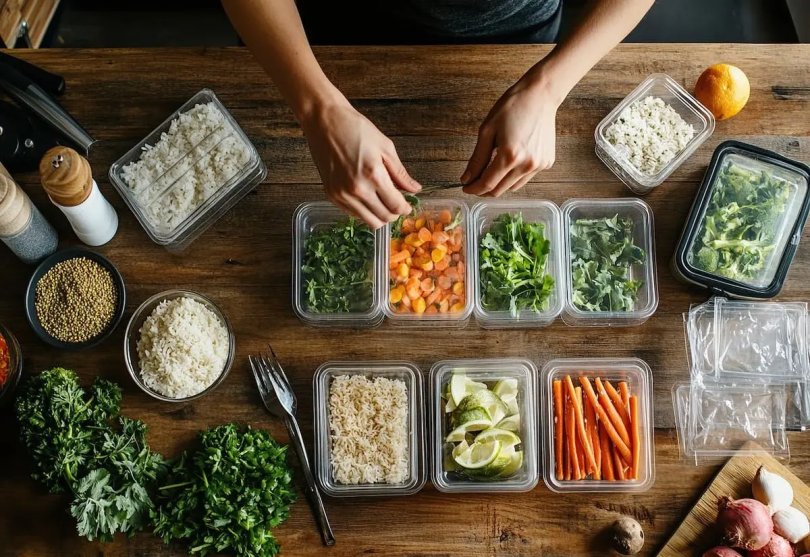
Step 8: Prepare Ingredients in Advance
Wash vegetables, chop ingredients, cook grains, marinate proteins, or prepare snacks after grocery shopping. Small preparation tasks completed ahead of time make weekday cooking much easier.
Step 9: Store Food Properly
Use airtight containers to store prepared meals and ingredients safely. Label containers with preparation dates when necessary and refrigerate or freeze foods according to food safety guidelines.
Step 10: Evaluate and Improve
At the end of each week, review what worked well and what did not. Adjust portion sizes, recipes, shopping habits, or preparation methods based on your experience. Meal planning becomes easier as you build consistency.
Benefits of Meal Planning
- Saves valuable time during busy weekdays.
- Reduces daily stress about deciding what to cook.
- Encourages healthier eating habits.
- Helps control portion sizes.
- Supports weight management goals.
- Reduces unnecessary grocery expenses.
- Minimizes food waste.
- Makes grocery shopping faster and more organized.
- Helps families eat together more often.
- Improves nutritional balance.
- Increases cooking confidence.
- Reduces dependence on fast food.
- Supports better budget management.
- Makes healthy eating more consistent.
- Improves overall lifestyle organization.
Disadvantages / Risks
- Requires initial planning time.
- Unexpected schedule changes may affect the plan.
- Beginners may create unrealistic meal schedules.
- Buying ingredients without flexibility can cause waste.
- Repeating the same meals too often may become boring.
- Storage space may be limited for meal preparation.
- Incorrect food storage can reduce freshness.
- Some recipes may require additional preparation skills.
- Family preferences may differ.
- Overplanning can make meal routines feel restrictive.
Common Mistakes to Avoid
One of the biggest mistakes beginners make is creating overly complicated meal plans filled with recipes they have never cooked before. Starting with simple meals builds confidence and increases the likelihood of sticking with the routine. Trying to prepare gourmet meals every day often leads to frustration and eventually abandoning meal planning altogether.
Another common mistake is ignoring leftovers. Leftovers can save both time and money while reducing food waste. Many people also forget to check pantry ingredients before shopping, resulting in duplicate purchases. Planning meals without considering your actual schedule can also create unnecessary stress. Finally, avoid making meal planning too rigid. Allow flexibility for unexpected events, dining out, or changing preferences to make the habit sustainable over the long term.
FAQs
1. How far in advance should I plan my meals?
Most beginners find weekly meal planning ideal because it provides structure without becoming overwhelming. Planning seven days ahead allows you to shop efficiently while maintaining flexibility if your schedule changes.
2. Is meal planning only for people trying to lose weight?
No. Meal planning benefits everyone regardless of health goals. It saves time, reduces food waste, improves budgeting, supports healthier eating, and simplifies daily cooking decisions.
3. Can meal planning help save money?
Yes. Meal planning reduces impulse purchases, prevents duplicate grocery items, minimizes food waste, and encourages home cooking, which is generally less expensive than eating out regularly.
4. How many meals should I prepare in advance?
This depends on your lifestyle. Some people prepare every meal for the week, while others only prepare lunches or dinners. Beginners often succeed by planning one meal each day before expanding their routine.
5. What foods work best for meal preparation?
Rice, pasta, roasted vegetables, grilled chicken, beans, soups, stews, boiled eggs, oats, salads, fruits, yogurt, and frozen vegetables are excellent choices because they store well and can be combined in different ways throughout the week.
6. How can I avoid getting bored with meal planning?
Rotate recipes regularly, experiment with different herbs and spices, try seasonal ingredients, and introduce one new recipe each week while keeping familiar favorites in your meal schedule.
Expert Tips & Bonus Points
Successful meal planning focuses on consistency rather than perfection. Begin with a simple weekly plan and gradually build more variety as your confidence grows. Keeping a list of favorite recipes makes future planning faster and reduces decision fatigue. Preparing versatile ingredients such as grilled chicken, cooked rice, roasted vegetables, or boiled eggs allows you to create multiple meals from the same preparation.
Another valuable strategy is using theme nights such as Taco Tuesday, Pasta Wednesday, or Soup Friday. This simplifies decision-making while adding variety to your weekly routine. Keep healthy snacks readily available, freeze extra portions for busy days, and always review your meal plan before grocery shopping. Tracking your grocery spending and food waste each week also helps improve your planning skills over time. Remember that flexibility is part of successful meal planning, and occasional changes do not mean your plan has failed.
Conclusion
Meal planning is a practical habit that offers long-term benefits for both your health and your lifestyle. By taking a small amount of time each week to organize your meals, you can reduce daily stress, save money, minimize food waste, and enjoy more nutritious meals without constantly deciding what to cook. It is a skill that becomes easier with practice and does not require perfection to produce meaningful results.
Beginners should focus on creating realistic meal plans that match their schedule, cooking abilities, and personal preferences. Starting with simple recipes, preparing ingredients in advance, and staying flexible will make the process enjoyable rather than overwhelming. Over time, meal planning becomes a natural routine that improves organization, supports healthier eating habits, and gives you greater control over your budget and nutrition. Whether your goal is saving time, improving wellness, or simplifying everyday life, meal planning is a valuable habit that can transform the way you approach food and create lasting positive changes for years to come.