
Introduction
Anxiety is a natural response to stress, uncertainty, or challenging situations. Everyone experiences anxious feelings at some point, whether before an important meeting, an exam, or a major life decision. However, when anxiety becomes frequent or overwhelming, it can interfere with daily life, relationships, productivity, and overall happiness. The good news is that anxiety does not have to control your life. With the right techniques, healthy habits, and consistent practice, you can learn to manage anxious thoughts and regain a sense of calm.
Many people believe that anxiety relief requires complicated treatments or expensive therapies. While professional support is essential for severe anxiety disorders, countless practical strategies can help reduce everyday anxiety naturally. Small lifestyle changes, mindful breathing, regular exercise, healthy sleep habits, and positive thinking can make a significant difference over time. The key is finding methods that suit your personality and incorporating them into your daily routine.
This comprehensive beginner’s guide explains everything you need to know about anxiety relief. You’ll learn what anxiety is, why managing it matters, practical steps to reduce stress, the benefits and risks of different approaches, common mistakes to avoid, frequently asked questions, expert advice, and bonus tips that can help you build long-term emotional resilience. By the end of this guide, you’ll have a clear understanding of how to create healthier habits that support a calmer, more balanced life.
What is Anxiety Relief?
Anxiety relief refers to the methods, techniques, and lifestyle practices used to reduce feelings of worry, fear, nervousness, and emotional tension. It includes both immediate strategies that calm the mind during stressful moments and long-term habits that improve mental well-being over time. Anxiety relief does not mean eliminating every stressful situation from life. Instead, it focuses on helping people respond to challenges in healthier and more productive ways.
Everyone experiences anxiety differently. Some people notice racing thoughts, while others experience physical symptoms such as rapid heartbeat, sweating, muscle tension, headaches, or difficulty sleeping. Anxiety relief combines physical, emotional, and mental approaches to reduce these symptoms and restore balance. Depending on individual needs, it may involve breathing exercises, meditation, regular physical activity, proper nutrition, quality sleep, journaling, counseling, or mindfulness practices. Learning effective anxiety relief techniques allows individuals to improve emotional control, strengthen resilience, and enjoy a healthier, more fulfilling lifestyle.
Why is Anxiety Relief Important?
Managing anxiety is important because prolonged stress affects nearly every aspect of life. Chronic anxiety can reduce concentration, weaken the immune system, disturb sleep, increase blood pressure, and contribute to physical and emotional exhaustion. When anxiety is left unmanaged, it may interfere with work performance, academic success, family relationships, and overall quality of life. Taking proactive steps toward anxiety relief helps protect both mental and physical health.
Anxiety relief also encourages healthier decision-making and emotional stability. People who regularly practice relaxation techniques often experience improved confidence, better communication, increased patience, and stronger problem-solving skills. Developing effective coping strategies helps individuals face life’s challenges without becoming overwhelmed. Whether anxiety is occasional or persistent, learning how to manage it can lead to greater happiness, stronger relationships, and a more balanced daily routine.
Step-by-Step Guide to Anxiety Relief
Step 1: Recognize Your Anxiety Triggers
The first step toward anxiety relief is understanding what causes your stress. Triggers vary from person to person and may include work pressure, financial concerns, health issues, social situations, family conflicts, or uncertainty about the future.
Keep a journal to identify patterns. Write down situations that increase anxiety, your thoughts during those moments, and how your body responds. Awareness helps you prepare for future situations more effectively.
Step 2: Practice Deep Breathing
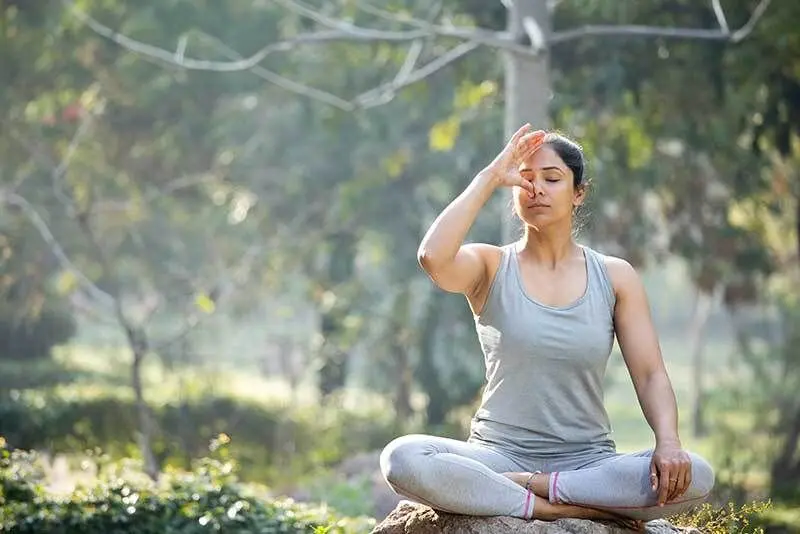
Deep breathing is one of the fastest ways to calm the nervous system. Slow, controlled breathing reduces the body’s stress response and encourages relaxation.
Try this simple technique:
- Inhale slowly through your nose for four seconds.
- Hold your breath for four seconds.
- Exhale gently through your mouth for six seconds.
- Repeat for five to ten minutes.
Step 3: Stay Physically Active
Exercise releases endorphins, which naturally improve mood and reduce stress. You don’t need an intense workout to experience benefits.
Walking, cycling, swimming, dancing, yoga, or stretching for 30 minutes most days can significantly reduce anxiety levels while improving sleep and energy.
Step 4: Improve Your Sleep Routine
Poor sleep often increases anxiety, while anxiety makes it harder to sleep. Create a consistent bedtime routine by going to bed and waking up at the same time each day.
Avoid caffeine late in the day, reduce screen time before bed, keep your bedroom cool and quiet, and practice relaxation techniques before sleeping.
Step 5: Eat a Balanced Diet
Nutrition affects brain function and emotional well-being. Eat regular meals that include fruits, vegetables, lean protein, whole grains, healthy fats, and plenty of water.
Limit sugary snacks, processed foods, excessive caffeine, and alcohol, as they may increase anxiety symptoms.
Step 6: Practice Mindfulness
Mindfulness helps you focus on the present moment rather than worrying about the future or dwelling on the past.
Spend five to ten minutes each day observing your breathing, surroundings, or physical sensations without judgment. Regular mindfulness practice strengthens emotional resilience.
Step 7: Challenge Negative Thoughts
Anxiety often exaggerates worst-case scenarios. Ask yourself:
- Is this thought based on facts?
- What evidence supports it?
- What evidence contradicts it?
- What would I tell a friend experiencing this situation?
Replacing unrealistic thoughts with balanced thinking reduces unnecessary worry.
Step 8: Reduce Information Overload
Constant exposure to negative news and social media can increase anxiety. Set healthy boundaries by limiting screen time and avoiding endless scrolling.
Choose specific times to check news updates rather than consuming information throughout the day.
Step 9: Build a Support Network
Talking to trusted friends, family members, or mentors can provide emotional comfort and practical advice.
Sharing concerns often reduces their emotional intensity and reminds you that you are not facing challenges alone.
Step 10: Seek Professional Help When Needed
If anxiety becomes severe, persistent, or interferes with daily activities, consult a licensed mental health professional. Therapy, counseling, and appropriate treatment can provide valuable tools for long-term recovery.
Benefits of Anxiety Relief
- Improves emotional well-being
- Reduces stress levels
- Enhances concentration and focus
- Promotes better sleep quality
- Strengthens relationships
- Increases productivity
- Supports healthier decision-making
- Boosts confidence
- Improves physical health
- Reduces muscle tension
- Encourages positive thinking
- Enhances emotional resilience
- Lowers blood pressure
- Improves immune system function
- Creates a greater sense of inner peace
Disadvantages and Risks
- Some relaxation techniques require consistent practice before noticeable results appear.
- Not every anxiety relief method works equally well for everyone.
- Self-help methods may not be sufficient for severe anxiety disorders.
- Ignoring professional treatment when necessary may worsen symptoms.
- Certain supplements marketed for anxiety relief may interact with medications.
- Unrealistic expectations can lead to disappointment.
- Inconsistent routines reduce long-term effectiveness.
- Overreliance on temporary coping strategies may delay addressing underlying causes.
Common Mistakes to Avoid
Many beginners expect anxiety to disappear overnight. In reality, effective anxiety relief requires patience and consistency. Small improvements accumulate over time, creating lasting emotional stability. Comparing your progress with others can also increase frustration because everyone experiences anxiety differently.
Another common mistake is avoiding every stressful situation. While temporary avoidance may provide short-term comfort, it often strengthens anxiety in the long run. Instead, gradually facing manageable challenges builds confidence and resilience. Neglecting sleep, skipping meals, consuming excessive caffeine, and spending too much time on social media can also make anxiety worse. Creating healthy daily habits is one of the most reliable ways to achieve lasting relief.
Frequently Asked Questions
1. What causes anxiety?
Anxiety can result from genetics, stressful life events, health conditions, personality traits, traumatic experiences, financial concerns, work pressure, or major life changes. Often, multiple factors contribute to anxiety rather than a single cause.
2. Can anxiety go away naturally?
Mild anxiety often improves through healthy lifestyle changes, stress management, mindfulness, exercise, and proper sleep. However, persistent or severe anxiety may require professional support to achieve lasting improvement.
3. How long does it take to experience anxiety relief?
Some techniques, such as deep breathing, provide immediate relaxation within minutes. Long-term improvements from exercise, mindfulness, and healthier habits usually develop over several weeks of consistent practice.
4. Is exercise really effective for anxiety?
Yes. Regular physical activity releases endorphins, reduces stress hormones, improves sleep quality, boosts confidence, and enhances overall emotional well-being. Even moderate daily exercise can significantly reduce anxiety symptoms.
5. Should I avoid caffeine if I have anxiety?
Many people notice increased nervousness, rapid heartbeat, and restlessness after consuming large amounts of caffeine. Reducing caffeine intake may help decrease anxiety, especially if you are sensitive to stimulants.
6. When should I seek professional help?
Seek professional support if anxiety lasts for several months, becomes overwhelming, interferes with work or relationships, causes panic attacks, or prevents you from enjoying everyday activities. Early treatment often leads to better outcomes.
Expert Tips & Bonus Points
Building small daily habits is more effective than making dramatic lifestyle changes all at once. Start with one or two anxiety relief techniques and practice them consistently before adding new strategies. Consistency creates lasting improvement and prevents feeling overwhelmed.
Spend time outdoors whenever possible because natural environments often reduce stress and improve mood. Stay connected with supportive people, celebrate small victories, practice gratitude, and remember that occasional anxiety is a normal part of life. Limiting perfectionism, maintaining realistic expectations, and focusing on progress rather than perfection can greatly improve emotional resilience. Creating a personalized routine that combines exercise, mindfulness, healthy eating, and quality sleep provides one of the strongest foundations for long-term anxiety relief.
Conclusion
Anxiety is a common experience, but it does not have to define your daily life. Learning practical anxiety relief techniques empowers you to respond to stress with greater confidence, calmness, and emotional balance. Whether you begin with deep breathing, regular exercise, mindfulness, healthy eating, or improved sleep habits, every positive step contributes to better mental well-being. Small, consistent actions often produce the most meaningful long-term results.
Remember that progress is rarely immediate. Some days will feel easier than others, and setbacks are a normal part of personal growth. Instead of striving for perfection, focus on building healthy routines that support both your mind and body. Be patient with yourself, celebrate every improvement, and continue practicing the habits that help you feel calmer and more in control. If anxiety becomes severe or begins interfering with your daily life, seeking professional guidance is a sign of strength rather than weakness. By combining practical strategies with self-awareness and persistence, you can reduce anxiety, improve your overall well-being, and create a healthier, happier, and more balanced future.