
Introduction
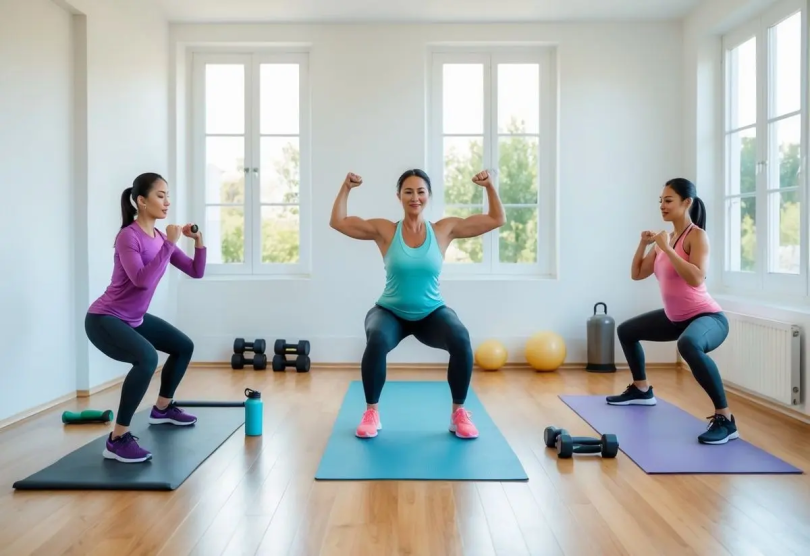
A home workout is one of the easiest and most practical ways to improve your health without joining a gym. Whether your goal is weight loss, muscle building, increased flexibility, or simply staying active, exercising at home provides a convenient solution that fits almost every lifestyle. You don’t need expensive equipment or a large workout space to begin. With consistency, proper planning, and the right techniques, you can achieve impressive fitness results from the comfort of your home.
Many beginners hesitate to start because they believe effective workouts require professional machines or personal trainers. In reality, bodyweight exercises, resistance bands, dumbbells, or even household items can provide enough resistance to build strength and improve endurance. Home workouts also eliminate commuting time, reduce costs, and allow you to exercise according to your own schedule. This flexibility makes it easier to stay committed over the long term. In this complete beginner’s guide, you’ll learn everything about home workouts, including their importance, benefits, step-by-step instructions, common mistakes, expert advice, and answers to frequently asked questions. By the end of this guide, you’ll have the confidence and knowledge needed to build a successful fitness routine from home.
What is Home Workout?
A home workout is any form of physical exercise performed in your home instead of a gym or fitness center. It includes bodyweight exercises, strength training, cardio workouts, flexibility routines, yoga, mobility exercises, and high-intensity interval training (HIIT). Home workouts can be customized to suit beginners, intermediate exercisers, or advanced athletes depending on individual fitness levels and goals.
One of the biggest advantages of a home workout is its flexibility. You can train early in the morning, during lunch breaks, or in the evening without worrying about gym hours. Home workouts can be as short as fifteen minutes or as long as an hour, making them suitable for busy professionals, students, parents, and anyone looking for an efficient way to stay healthy. With proper planning and consistency, home workouts can deliver results that are comparable to traditional gym training.
Why is Home Workout Important?
Home workouts play a significant role in maintaining physical and mental health. Modern lifestyles often involve long hours of sitting, reduced physical activity, and increased stress. Exercising at home provides an accessible way to combat these challenges while promoting overall wellness. Regular movement strengthens muscles, improves cardiovascular health, supports healthy weight management, and boosts energy levels throughout the day.
Another reason home workouts are important is their accessibility. Many people cannot afford expensive gym memberships or may not have fitness centers nearby. Home exercise removes these barriers, allowing almost anyone to begin improving their health immediately. Consistent home workouts also help develop discipline, confidence, and healthy habits that positively influence other areas of life, including productivity, sleep quality, and emotional well-being.
Step-by-Step Guide to Starting a Home Workout
Step 1: Define Your Fitness Goals
Before beginning any workout program, determine what you want to achieve. Your goals may include losing weight, building muscle, improving flexibility, increasing endurance, or maintaining overall health. Having clear goals helps you select the right exercises and stay motivated throughout your fitness journey.
Write down realistic short-term and long-term objectives. For example, aim to complete three workouts per week during your first month before progressing to more challenging routines.
Step 2: Create a Dedicated Workout Space
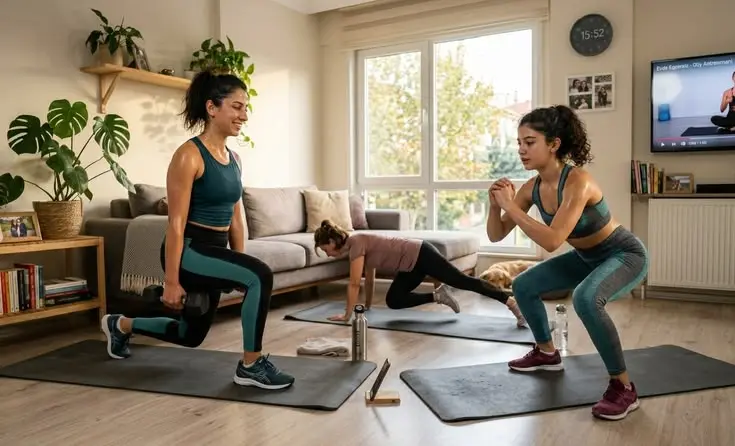
Choose a clean, safe, and comfortable area where you can move freely. Even a small corner of your living room or bedroom is enough for most bodyweight exercises.
Remove obstacles that may cause injuries and ensure proper ventilation. Keeping your workout equipment organized makes exercising more enjoyable and encourages consistency.
Step 3: Wear Comfortable Workout Clothes
Proper clothing allows unrestricted movement and improves comfort during exercise. Choose breathable fabrics that help regulate body temperature.
Supportive athletic shoes are recommended for high-impact exercises like jumping or running in place, while yoga or stretching routines can often be performed barefoot.
Step 4: Warm Up Properly
Never skip your warm-up. Warming up prepares your muscles, joints, and cardiovascular system for physical activity while reducing the risk of injury.
Spend five to ten minutes performing light cardio such as marching in place, arm circles, leg swings, jumping jacks, and dynamic stretches before starting your main workout.
Step 5: Begin with Basic Bodyweight Exercises
Beginners should focus on mastering fundamental movement patterns before adding equipment or increasing intensity.
Recommended exercises include:
- Squats
- Push-ups
- Wall push-ups
- Lunges
- Glute bridges
- Planks
- Bird-dog exercise
- Superman exercise
- Mountain climbers
- Standing calf raises
Perform each exercise slowly using correct form instead of rushing through repetitions.
Step 6: Add Cardio Exercises
Cardiovascular exercise improves heart health, burns calories, and increases stamina.
Good beginner-friendly cardio exercises include:
- Jumping jacks
- High knees
- Marching in place
- Dancing
- Skipping rope
- Stair climbing
- Jogging in place
Aim for at least twenty to thirty minutes of moderate cardio most days of the week.
Step 7: Include Flexibility and Mobility Training
Stretching improves flexibility, posture, and recovery while reducing muscle tightness.
After every workout, stretch your hamstrings, quadriceps, calves, chest, shoulders, back, and hip flexors for fifteen to thirty seconds each.
Step 8: Follow a Weekly Workout Schedule
A structured schedule improves consistency and helps prevent overtraining.
Example beginner plan:
Monday: Full-body strength
Tuesday: Cardio
Wednesday: Stretching and mobility
Thursday: Full-body strength
Friday: Cardio
Saturday: Yoga or light activity
Sunday: Rest and recovery
Step 9: Increase Intensity Gradually
As your fitness improves, gradually increase repetitions, workout duration, resistance, or exercise difficulty.
Progressive overload helps your muscles continue adapting and prevents fitness plateaus.
Step 10: Track Your Progress
Keep a workout journal or use a fitness app to record completed exercises, repetitions, body measurements, and improvements.
Tracking progress increases motivation and allows you to celebrate small achievements that lead to long-term success.
Benefits of Home Workout
Home workouts provide numerous physical, mental, and financial advantages.
- Saves money on gym memberships
- Eliminates travel time
- Flexible workout schedule
- Suitable for all fitness levels
- Improves heart health
- Builds muscle strength
- Supports weight loss
- Increases endurance
- Enhances flexibility
- Improves posture
- Strengthens bones
- Boosts metabolism
- Reduces stress
- Improves mood
- Increases confidence
- Promotes better sleep
- Encourages healthy habits
- Allows personalized workout plans
- Comfortable private environment
- Easy to maintain long-term consistency
Disadvantages / Risks
Although home workouts offer many benefits, there are also a few challenges beginners should understand.
- Limited equipment compared to commercial gyms
- Easier to become distracted at home
- Lack of professional supervision
- Higher risk of poor exercise form
- Motivation may decrease without accountability
- Small workout spaces may limit exercise selection
- Progress may slow without progressive overload
- Risk of injury if warm-ups are skipped
- Difficulty choosing effective workout programs
- Family interruptions may affect workout consistency
Common Mistakes to Avoid
One of the biggest mistakes beginners make is trying to do too much too soon. Starting with intense workouts often leads to soreness, fatigue, or injuries that reduce motivation. It is far better to begin with simple exercises, learn proper technique, and gradually increase intensity over time. Consistency always produces better results than occasional extreme workouts.
Another common mistake is neglecting recovery, nutrition, hydration, and sleep. Exercise alone cannot produce optimal fitness results without healthy lifestyle habits. Skipping warm-ups, ignoring stretching, performing exercises with incorrect form, and constantly comparing your progress with others can also slow improvement. Focus on your own journey, stay patient, and prioritize quality over quantity during every workout session.
FAQs
1. How often should beginners do home workouts?
Beginners should aim for three to five workout sessions each week. Include both strength training and cardio while allowing one or two rest days for recovery. Consistency is more important than exercising every day.
2. Can I build muscle with home workouts?
Yes. Bodyweight exercises such as push-ups, squats, lunges, planks, and resistance band training can effectively build muscle, especially for beginners. As strength improves, increase repetitions or add resistance.
3. Do I need equipment for home workouts?
No. Many effective home workouts require only your body weight. However, simple equipment like resistance bands, dumbbells, kettlebells, or yoga mats can provide additional variety and progression.
4. How long should a home workout last?
A beginner workout typically lasts between twenty and forty-five minutes. This includes warming up, strength or cardio training, and cooling down with stretching.
5. Can home workouts help with weight loss?
Yes. Home workouts combined with a balanced diet and consistent calorie management can support healthy weight loss. Strength training and cardio together are especially effective for burning calories and preserving muscle.
6. What is the best time to exercise at home?
The best time is whenever you can exercise consistently. Some people prefer mornings for increased energy, while others enjoy evening workouts after work. Choose a time that fits your daily routine.
7. Should I stretch before or after exercising?
Dynamic stretching is recommended before workouts as part of your warm-up. Static stretching is most beneficial after exercising when muscles are warm and more flexible.
8. How long does it take to see results from home workouts?
Many beginners notice improved energy and endurance within two to four weeks. Visible physical changes often appear after six to twelve weeks of consistent training combined with proper nutrition and adequate recovery.
Expert Tips & Bonus Points
Successful home workouts depend more on consistency than perfection. Build a routine that fits naturally into your daily schedule rather than choosing an unrealistic program. Start with manageable sessions, focus on proper exercise form, and increase difficulty only when your body is ready. Small improvements made consistently over time produce lasting fitness results.
Stay hydrated throughout the day, eat balanced meals rich in protein and whole foods, and prioritize seven to nine hours of quality sleep each night. Keep your workouts enjoyable by listening to music, trying new exercises, or setting monthly fitness goals. Celebrate every milestone, no matter how small, because long-term success comes from building sustainable habits instead of chasing quick results.
Conclusion
A home workout is one of the most effective, affordable, and flexible ways for beginners to improve their health and fitness. Without needing expensive equipment or gym memberships, anyone can build strength, increase endurance, lose weight, and enhance overall well-being by following a structured workout routine. The key to success is not performing the hardest exercises but remaining consistent, practicing correct form, and gradually increasing workout intensity over time. Even short daily workouts can create meaningful improvement when combined with healthy nutrition and proper recovery.
Remember that every fitness journey begins with a single step. Focus on building sustainable habits instead of expecting overnight transformations. Set realistic goals, monitor your progress, and stay patient as your body adapts to regular exercise. Challenges and setbacks are normal, but persistence will always bring results. By following the strategies, tips, and recommendations in this guide, you can confidently start your home workout journey and create a healthier, stronger, and more energetic lifestyle that benefits you for years to come.